
 Herbs
Herbs Vegetables
 Fruits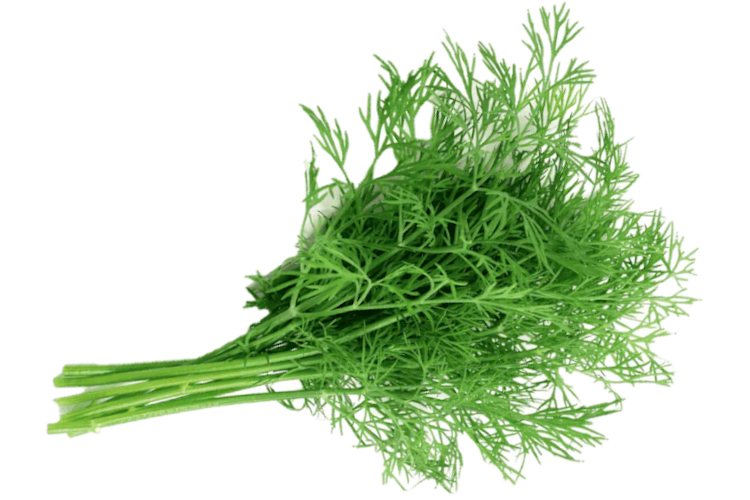
Dill is a tall herb with fine, feathery foliage. Foliage color can range from dark green to blue-green. In mid-summer, dill will produce large, flat-topped yellow flower clusters with seeds that can be harvested for culinary use. Used to flavor fish, lamb, egg dishes, soups, and potato salad. Seeds are used in pickling recipes and vinegar.
Varieties: Bouquet, Ella (dwarf), Long Island Mammoth
Dill
SUPPLY INFORMATION
| Availability |
Year Round |
|---|---|
| Packing Size |
10g to 150g |
| Flow Pack |
Yes, on demand |
| Box |
3kg Box ,High Cube Box |
| Box Size |
19.5 x 16.5 x 21cm ,36 x 25 x 21.5cm |
| Nb of Box in Master |
12 ,4 |
| Master Size |
100 x 39 x 23 |
| Nb of Box on Skid |
252 ,84 |
| Skid Size |
120 x 100 x 160 |
RELATED PRODUCTS

Chervil
Chervil is a delicate annual herb with light green, finely divided, fern-like leaves that resemble parsley. It has a mild, subtle flavor with hints of anise or licorice. In late spring to early summer, chervil produces small, white, umbrella-shaped flower clusters. It grows best in cool, shaded locations and prefers rich, moist soil. Commonly used in French cuisine, chervil enhances the flavor of poultry, eggs, seafood, and vegetable dishes, and is a key ingredient in fines herbes blends.
Varieties: Crispum, Curled, and Plain (Common Chervil)

Chives
Chives is a bulbous perennial herb belonging to the same family as onion, leeks and garlic. Chives have long green stems and a mild, not-too-pungent flavor. The green stems are the part of the chives that are used as a herb. Chive stems are hollow and are usually used fresh. In terms of culinary appeal, the flavor of chives is considerably milder and more subtle than onion or garlic and its leaves can be used to flavor salads, dips, soups, stews, vinegars, cheese dishes sour cream and butter. Dried chives are excellent additions to soups and salads, as well as dips, soft cheeses and herbal butters. As an added bonus, chives is a good source of vitamin C.
Varieties: Garlic, Gigantic Garlic, Onion
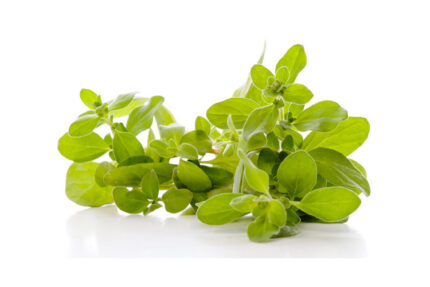
Marjoram
Marjoram is a tender perennial herb, often grown as an annual in cooler climates, with small, oval, gray-green leaves and a sweet, aromatic scent. It forms a bushy mound and produces clusters of tiny white or pale pink flowers in mid to late summer. The flavor is warm, slightly citrusy, and more delicate than oregano, to which it is closely related. Marjoram is commonly used to season meats, sausages, soups, stews, and Mediterranean dishes, and is excellent in herb blends and dressings.
Varieties: Sweet Marjoram, (Origanum majorana), Wild Marjoram (Origanum vulgare), and Pot Marjoram (Origanum onites).
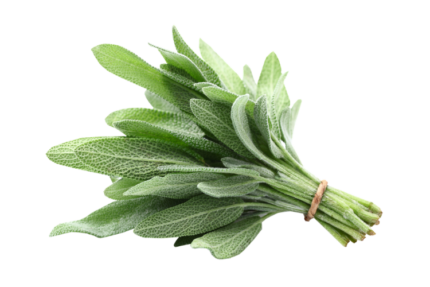
Sage
Sage is also one of the few herbs that, even as its leaves grow larger, the flavor intensifies. Unlike many herbs, sage leaves are still delicious after the plant flowers. Leaves are used in fish, pork, and poultry dishes. Also with vegetables and in sausages.
Varieties: Bergarrten, Bergarrten Variegated Leaf, Garden, Golden Edge, Maxima, Pineapple, Pineapple Golden Delicious, Purple, Tricolor
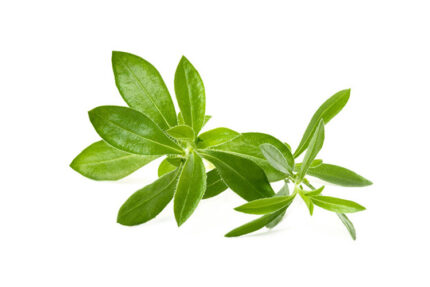
Savory
Savory is an aromatic herb available in both annual and perennial forms, known for its peppery, slightly pungent flavor that blends hints of thyme and mint. It has slender, dark green leaves and produces clusters of small white to pale pink flowers in mid to late summer. Summer Savory is more delicate and mild, while Winter Savory has a stronger, sharper taste and woody stems. Savory is a traditional seasoning for beans, lentils, sausages, poultry, and stuffing, and is often used in herb blends like Herbes de Provence.
Varieties: Summer Savory (Satureja hortensis) and Winter Savory (Satureja montana).


